

Here’s why and what authentic African brand photography actually looks like.
There’s a specific feeling you get when a campaign doesn’t quite believe in its own audience.
The images are technically fine. The models are attractive. The lighting is clean. But something is off. A living room that doesn’t look like anyone’s living room. A workspace that has never seen actual work. An “African lifestyle” shoot that was clearly assembled from a brief written without stepping outside. The campaign is performing Africa rather than showing it, and audiences across the continent feel that before they can explain why.
This is the gap in African brand photography in 2026. Not a talent gap. The photographers, art directors, and visual storytellers working across Lagos, Nairobi, Accra, Johannesburg, and Kigali are producing genuinely world-class work. The gap is a brief gap, a sourcing gap, and sometimes a belief gap, brands not trusting that specificity is more valuable than versatility.
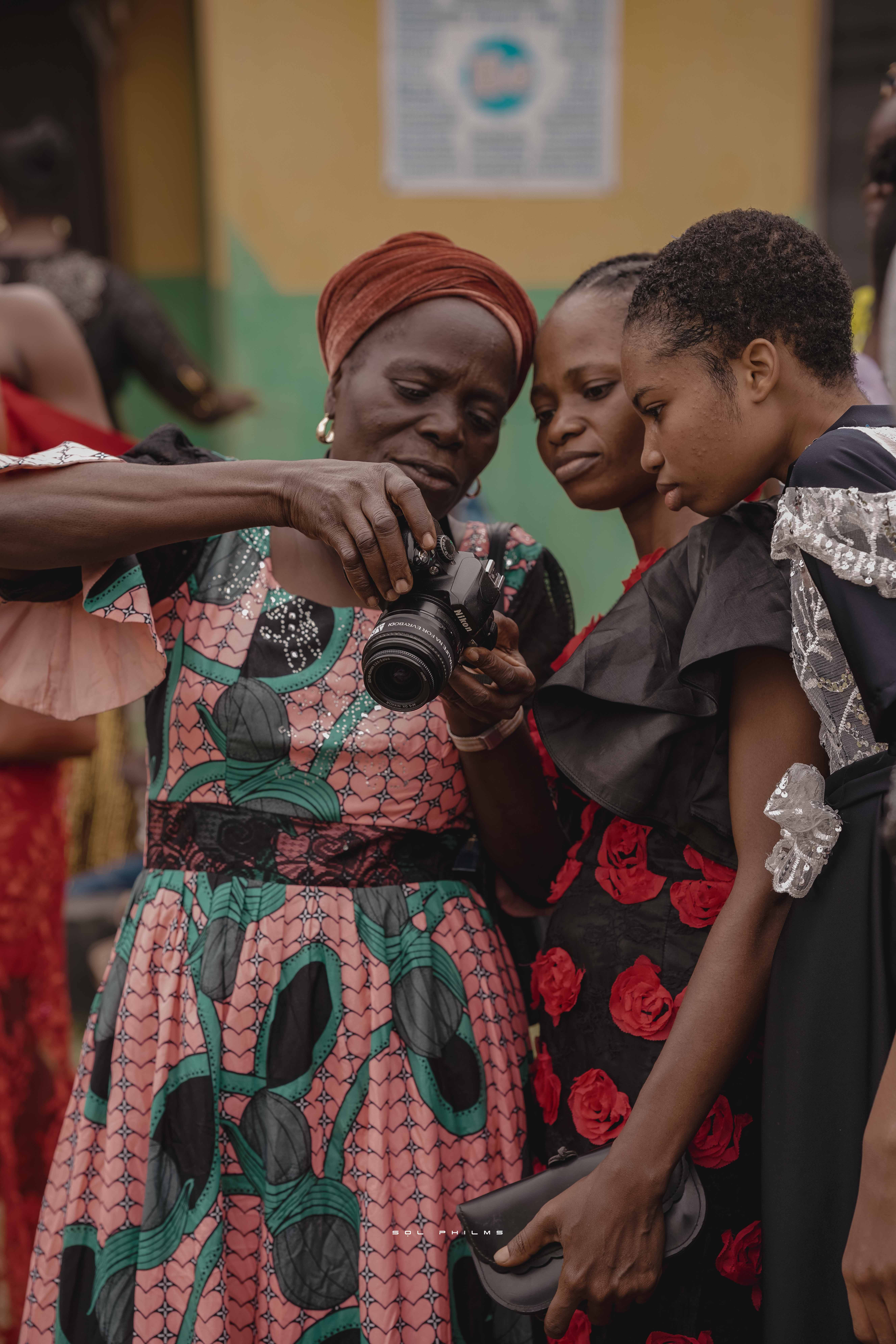
Why generic African stock photography still dominates
Most brands that end up with generic campaign visuals didn’t plan to make generic campaign visuals. The problem starts earlier.
When a brand asks for “professional African lifestyle imagery,” they tend to get exactly that, images that look professional, signal Africa, and feel like lifestyle. What they actually needed was something more specific. What does this brand look like in this city, at this moment in that city’s culture? That question requires a point of view, and many brands skip it because generic feels safer.
The sourcing problem compounds this. A brand building its campaign from stock imagery created for a global market, African people photographed by agencies shooting for maximum versatility, for buyers anywhere in the world, ends up with visuals that belong to everyone and therefore to no one. The images aren’t wrong. They’re just not yours.
And audiences know. Not always consciously. But they know.
What authentic African brand photography actually means
Authenticity in brand photography isn’t about putting African faces into a campaign. It isn’t about natural lighting or a documentary aesthetic or any single visual choice. It’s about context, the specific details that tell a viewer this image was made here, by someone who knows here, for people who live here.
The way a Nairobi market moves at 8am versus 2pm, and a photographer who knows which one is true to the brand story they’re telling. The particular textures of Ghanaian kente in natural sunlight versus studio light, and a creative director who cares about that difference. The body language of people in a Lagos meeting room that has actually been used for meetings, rather than one dressed to look like it has. The Johannesburg skyline at blue hour that a local photographer has been returning to for years.
These are the details that make an image stop a scroll. Not the technical quality, the recognisability. The moment where someone sees something in a frame and thinks, I know this. This was made for me.
Why this matters more now than it did five years ago
African audiences in 2026 are more visually sophisticated than most marketing teams give them credit for.
Young consumers across the continent have grown up inside a visual culture that is globally connected and locally rooted simultaneously. They see the same international campaigns everyone sees, and they also have a finely tuned antenna for when something is performing their culture rather than reflecting it. The tolerance for inauthenticity has dropped significantly, particularly among 18–35 year old urban audiences in Nigeria, Kenya, Ghana, South Africa, and across Francophone Africa.
For brands in fintech, lifestyle, hospitality, media, and consumer goods, categories where emotional connection drives conversion, this is a business problem, not just an aesthetic one. Campaigns using authentic African visuals consistently outperform generic alternatives in recall, engagement, and the metric that matters most: whether people feel the brand is actually for them.
What the shift looks like in practice
Brands getting this right are making more specific choices, not necessarily spending more on production.
They brief on detail. Not “professional woman in an office” but the specific kind of professional, the specific kind of office, in a specific city with a specific aesthetic that fits the brand. They work with photographers who live in the environments they’re shooting, because local knowledge is not something you can brief into an outsider. They choose locations with a point of view, real workspaces, real markets, real streets, real homes that belong to real people.
They are also increasingly pulling from stock libraries built by African visual creators, photographers across the continent who are documenting African life with genuine cultural fluency, not producing images for a generic global market. The distinction between those two types of stock photography is significant. One gives brands access to imagery that audiences recognise as real. The other gives them imagery that audiences recognise as stock.
How to choose better African stock photos for your campaigns
If your brand sources visual content, these are the questions worth asking before the next campaign:
Where were these images made, and by whom? Images shot by African photographers in African environments carry cultural specificity that images sourced from global agencies typically don’t, regardless of who appears in them.
Does this image exist anywhere? The more versatile a stock image is designed to be, the less it belongs to any specific brand. Specificity is a feature, not a limitation.
Would the audience in this market recognise this as real? Test campaign visuals with people from the target market before publishing. The gap between what a marketing team thinks feels authentic and what the audience actually recognises is often larger than expected.
Does the visual library you’re drawing from reflect the diversity of the continent? Africa is 54 countries, thousands of ethnic groups, dozens of major cities with distinct visual characters. A library dominated by images from one country or one type of environment limits what your campaigns can say.
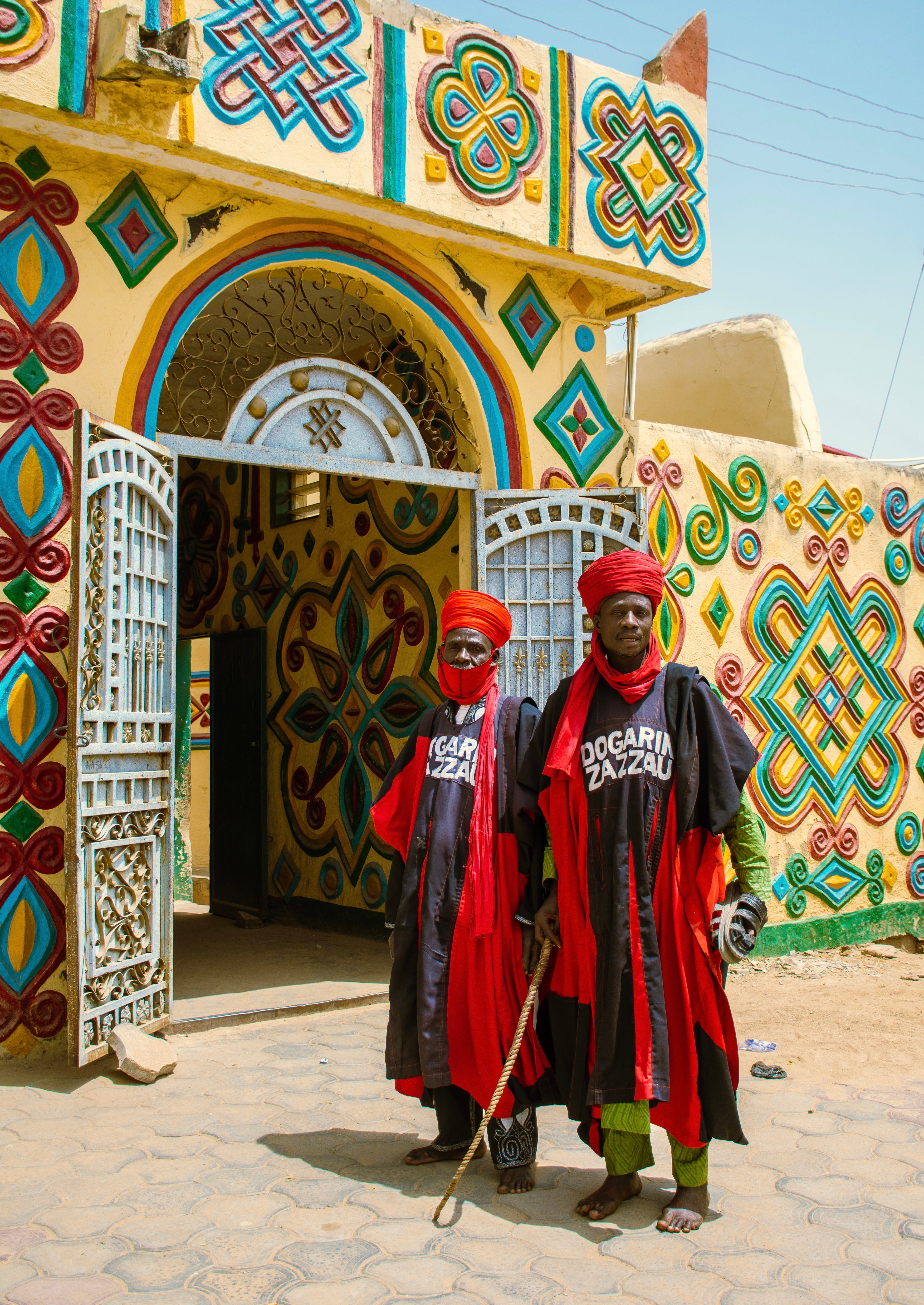
The future of African visual storytelling in marketing
The direction is already clear. The campaigns standing out across African markets are moving toward documentary realism, toward cultural specificity, toward visuals that reflect how people actually live rather than how brands wish they lived.
That shift is not just an aesthetic trend. It reflects a broader change in how audiences relate to brands, more scepticism, higher expectations of relevance, and a genuine appreciation for brands that demonstrate they understand the context they’re operating in.
African visual culture is one of the most dynamic, expressive, and globally influential creative forces in the world right now. The brands that understand this and source their visuals accordingly are building campaigns that earn attention rather than buying it.
The best campaign visuals are not the most polished ones. They are the ones that make the audience feel seen.
Looking for authentic African stock photos for your next campaign? Ninthgrid is a growing library of Afrocentric photography and illustration created by visual storytellers across the continent, built for brands that want to get it right. Explore at ninthgrid.com